
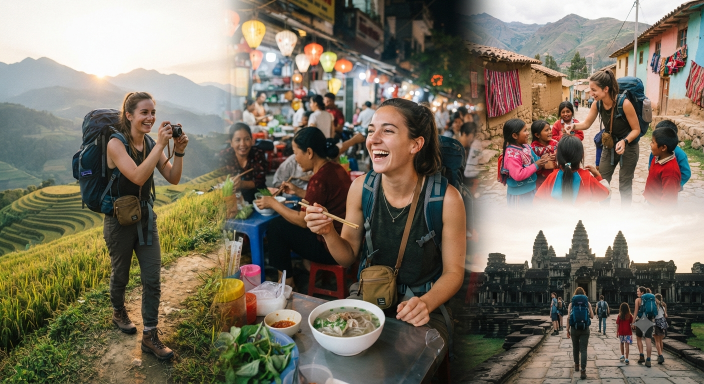
Travelling around the world is a dream for many people, but expensive flights, hotel bookings, restaurant bills, and sightseeing expenses can make international holidays seem difficult to afford. However, exploring different countries does not always require a huge travel budget.
With thoughtful planning, flexible travel dates, and smart spending decisions, travellers can enjoy memorable experiences without compromising on the quality of their holidays. Budget travel is not about avoiding everything enjoyable. It is about spending money wisely and choosing experiences that offer genuine value.
1. Choose Affordable Travel Destinations
The destination you choose has a major influence on your overall travel expenses. Some countries are naturally more affordable because accommodation, food, and local transportation cost less.
Countries such as Vietnam, Nepal, Thailand, Indonesia, and Laos offer interesting travel experiences for people looking to manage their spending.
Instead of selecting destinations only because they are famous, compare everyday expenses, accommodation prices, and sightseeing options.
An affordable destination can allow you to enjoy a longer holiday without constantly worrying about your budget.
2. Book Flights at the Right Time
Airfare can consume a significant portion of an international travel budget. One effective way to save money is to remain flexible with travel dates.
Compare different departure days, consider alternative airports, and check prices several weeks or months before your intended journey.
Flight comparison websites can help identify cheaper routes and alternative connections.
Travelling during shoulder seasons, which fall between peak and low tourist seasons, can also offer attractive airfare and accommodation prices.
However, always compare the total cost, including baggage fees, airport transfers, and additional charges.
3. Stay in Budget-Friendly Accommodation
Luxury hotels are not necessary for every holiday. Travellers can save considerably by choosing hostels, guesthouses, homestays, or budget hotels.
Many hostels offer comfortable private rooms alongside shared facilities. Homestays can provide an opportunity to experience local lifestyles and traditional hospitality.
Another option is booking accommodation slightly away from major tourist attractions, provided public transportation is convenient.
Before booking, check guest reviews, safety, cleanliness, and transport accessibility rather than choosing an option based on price alone.
4. Explore Local Food Instead of Expensive Restaurants
Food is an important part of discovering a new country. Fortunately, some of the best culinary experiences are available at local markets, small restaurants, and street food stalls.
Trying regional dishes can be more affordable and culturally rewarding than eating at expensive tourist restaurants every day.
For example, travellers visiting Thailand can explore local noodle dishes, while visitors to Vietnam can enjoy pho and banh mi.
Choose busy food establishments with good hygiene practices and follow local food safety recommendations.
5. Use Public Transportation
Transportation expenses can increase quickly when travellers depend on taxis and private vehicles.
Public transportation is often a more affordable alternative. Buses, trains, metro systems, and local ferries allow visitors to explore cities while controlling daily expenses.
Many destinations also offer transport passes that provide unlimited or discounted travel for a specific period.
Walking is another excellent way to explore a destination. It allows travellers to discover neighbourhoods, local shops, architecture, and hidden attractions that may be missed when travelling by car.
6. Enjoy Free and Low-Cost Attractions
Not every memorable travel experience requires an expensive ticket.
Many cities offer free walking tours, public parks, beaches, historical neighbourhoods, street performances, and cultural festivals.
Travellers can enjoy beautiful city views, visit public gardens, explore local markets, and discover historic streets without spending much money.
Some museums also offer free entry on specific days or discounted tickets for students and young visitors.
Researching these opportunities before departure can help create a more affordable sightseeing plan.
7. Plan Your Daily Budget
A travel budget becomes easier to manage when expenses are divided into categories.
Before starting the journey, estimate how much you can spend on accommodation, meals, transportation, sightseeing, shopping, and emergencies.
Keep a small reserve for unexpected situations such as delayed flights, medical needs, or changes in travel plans.
Using a budgeting application or a simple spreadsheet can help track daily spending.
It is also useful to decide in advance which experiences deserve a larger portion of your budget.
For example, you might save on accommodation to afford a special guided excursion or adventure activity.
8. Travel During the Shoulder Season
Peak travel seasons often bring higher prices and crowded attractions.
Shoulder seasons provide a balance between pleasant weather, manageable tourist numbers, and comparatively affordable travel costs.
For example, travelling to European destinations during spring or autumn may provide a different experience from visiting during the busy summer months.
Before selecting dates, check the destination’s climate, local holidays, seasonal closures, and major festivals.
A slightly different travel date can make a noticeable difference to the overall cost.
9. Avoid Unnecessary Shopping and Tourist Traps
Shopping can quickly increase travel expenses, especially in popular tourist areas.
Instead of purchasing every souvenir, focus on items that have genuine meaning or reflect local craftsmanship.
Be careful with overpriced sightseeing packages, unnecessary transportation services, and attractions that offer limited value.
Compare prices and check independent reviews before making expensive purchases.
Travelling is ultimately about experiences, not the number of things you bring home.
10. Make Smart Use of Travel Technology
Travel applications can make budget planning easier.
Map applications help identify affordable routes, while accommodation platforms allow travellers to compare different stays.
Currency conversion tools, digital ticketing services, and travel planning applications can also reduce unnecessary spending.
Downloading offline maps and important travel documents is useful when internet connectivity is limited.
However, travellers should remain careful when using public Wi-Fi and making online payments.